



Air Dehydrator
Why choose us?
SHANQIAO MACHINE:Your Leading Spice Dryer Machine Supplier
Technological Development
As our innovation and collaboration with other companies go on, we have accumulated a wealth of experience in the process and treatment of various materials and residues, including vegetables, fruits, grain,herb,spices, food ,coal ,coconut and more.
Timely Service
With the purpose of always providing better quality and service, we keep a close eye on the market trend and customer's demands and improve our manufacture techniques and service.
Rich Experience
A professional drying equipment manufacturer in Shanghai.It specializes in the drying equipment industry for 14 years. lt has accumulated rich experience in drying technology in the fields of industry, pharmacy and medicine, and enjoys good reputation in the international market. received widely praise from users.
Production Market
With the support of dedicated employees and application of over 100 advanced machines, we have built a good reputation in the industry and successfully exported our high efficient dryers to more than 90 countries and regions, including Russia, central Asia, Brazil, the United States, Europe, Middle East and so forth.
-
![Wood Drying Machine]() Wood Drying MachineA wood drying machine is an essential tool in the woodworking industry. It is designed to remove moisture from wood and reduce its moisture content to the required level, making it easier to...read more
Wood Drying MachineA wood drying machine is an essential tool in the woodworking industry. It is designed to remove moisture from wood and reduce its moisture content to the required level, making it easier to...read more -
![Wig Drying Machine]() Wig Drying MachineWigs have become an essential part of our daily lives, be it for fashion, theatrical performances or medical purposes. And now, with the advent of wig drying machines, the task of drying wigs has...read more
Wig Drying MachineWigs have become an essential part of our daily lives, be it for fashion, theatrical performances or medical purposes. And now, with the advent of wig drying machines, the task of drying wigs has...read more -
![Vegetable Air Drying Machine]() Vegetable Air Drying MachineThe food air dryer is an essential tool for any kitchen these days. It has several features that make it an ideal investment for chefs and homeowners alike.read more
Vegetable Air Drying MachineThe food air dryer is an essential tool for any kitchen these days. It has several features that make it an ideal investment for chefs and homeowners alike.read more -
![Dehydrator for Potato Chips]() Dehydrator for Potato ChipsFood air dryers have revolutionized the way we approach food preservation. These innovative appliances are designed to remove moisture from food items quickly and efficiently, without the need for...read more
Dehydrator for Potato ChipsFood air dryers have revolutionized the way we approach food preservation. These innovative appliances are designed to remove moisture from food items quickly and efficiently, without the need for...read more -
![Food Processing Machines]() Food Processing MachinesThe food air dryer's easy-to-clean feature is another attribute that helps keep it in pristine condition.read more
Food Processing MachinesThe food air dryer's easy-to-clean feature is another attribute that helps keep it in pristine condition.read more -
![Automatic Air Drying Machine]() Automatic Air Drying MachineFood air dryers offer several health and safety benefits when compared to traditional food preservation methods.read more
Automatic Air Drying MachineFood air dryers offer several health and safety benefits when compared to traditional food preservation methods.read more -
![Efficient Air Dehydrator]() Efficient Air DehydratorThe food air dryer is an indispensable tool for anyone interested in healthy eating. Used in homes, restaurants, and hotels, its durability, rust and scratch resistance, and ease of cleaning make...read more
Efficient Air DehydratorThe food air dryer is an indispensable tool for anyone interested in healthy eating. Used in homes, restaurants, and hotels, its durability, rust and scratch resistance, and ease of cleaning make...read more -
![Industrial Air Drying System]() Industrial Air Drying SystemFood air dryers are an incredibly convenient and efficient way of preserving food items. They not only save time and energy but also offer health and safety benefits while being environment-friendly.read more
Industrial Air Drying SystemFood air dryers are an incredibly convenient and efficient way of preserving food items. They not only save time and energy but also offer health and safety benefits while being environment-friendly.read more -
![Energy Saving Food Dehydrator]() Energy Saving Food DehydratorThe Perfect Solution for Convenient Storage, Healthy Eating, and Practical use. Are you looking for an efficient way to store your food while keeping it fresh and healthy?read more
Energy Saving Food DehydratorThe Perfect Solution for Convenient Storage, Healthy Eating, and Practical use. Are you looking for an efficient way to store your food while keeping it fresh and healthy?read more -
![Commercial Food Processing Machine]() Commercial Food Processing MachineGone are the days of bulky food storage containers that take up valuable space in your refrigerator.read more
Commercial Food Processing MachineGone are the days of bulky food storage containers that take up valuable space in your refrigerator.read more


What is Air Dehydrator?
An air dehydrator is a small electrical appliance that uses a fan and an electrical element to dry food by circulating hot air over it. The air movement and heat evaporate moisture from the food, which can be fruits, vegetables, or meats. Dehydrators can be used to make dried foods like beef jerky and banana chips. Compared to other drying techniques, dehydrators can dry food more evenly and quickly in a controlled environment. Dehydrating can also retain nutrients better than some cooking methods. For example, dehydrating kale at a low temperature can preserve its vitamins better than boiling it
Advantages of Air Dehydrator

Cost-effective
You can buy produce in bulk and store it for later use. Dehydrated food can also replace expensive store-bought snacks.
Eliminate food waste
Dehydrators can help you eat real ingredients and reduce the amount of waste you throw out.
Create healthy food
Dehydrated fruits and vegetables don't require added sugar, salt, or preservatives. You can also control what goes into your food by making your own dried fruits instead of buying store-bought, which may contain additives like sulfur dioxide.
Extend shelf life
Dehydrated food can keep for up to a year, which is longer than store-bought snacks
Save space
Dehydrating can significantly shrink food, allowing you to fit more preserves into a small area.
Retain nutrients
Dehydrators work at a lower temperature range than ovens, which can help preserve most nutritional properties, vitamins, minerals, and proteins. Air-dried foods can also be rehydrated back to their original form, which you can't do with cooked or processed treats.

Types of Air Dehydrator
Desiccant dryers
Use a porous material like activated alumina or silica gel to extract moisture from the air. They are also known as adsorption dryers and have a dew point of around -40°C.
Refrigerated air dryers
Cool the air to around 3°C to condense out moisture. They can operate at temperatures up to 80°C.
Membrane air dryers
Use a selectively permeable membrane made of microtubules to retain water when air is circulated through it.
Deliquescent air dryers
Use a material that must be replaced once it is saturated. They are affordable and don't require power to operate.
Blower regenerated air dryers
Use externally heated atmospheric air for regeneration. The dryer has a blower that directs air through an electric or steam heating coil.

Material Of Air Dehydrator
Desiccant beads
These small beads are made of activated alumina, silica gel, or molecular sieves, and are used in adsorption dryers to dry compressed air. The beads absorb moisture from the air, similar to the packets used to keep shoes dry.
Coalescing elements
These elements can be made of a cast material with a microscopic lattice, or stacked plates with microscopic gaps between them. Air is forced through the lattice or gaps, allowing water vapor to wet the internal surfaces.
Food dehydrators
These can be made of metal or high-grade plastic, and may include features like double wall construction, enclosed heating elements, and trays made of lightweight plastic
Application Of Air Dehydrator

Food
Dehydrators can dry fruits, vegetables, grains, meats, herbs, and flowers. You can use them to make granola, fruit leather, dried fruit, and other house specialties. You can also use them to make foods that require long periods of low, warm temperatures, like Indonesian tempeh, Japanese natto, and fresh yogurt.
Other uses
You can also use a dehydrator to dry homemade pasta, ferment yogurt, make potpourri, and recrisp stale foods like cookies or crackers. You can also use it for DIY art projects, like making dehydrated flour and water molds that you can paint.
How Does Air Dehydrator Work
Heating Element: The dehydrator contains a heating element, usually an electric coil or a gas burner, which heats up the air inside the machine.
Air Circulation: A fan or blower draws in room-temperature air and forces it over the heating element. The heated air becomes dry as it absorbs the heat.
Drying Chamber: The now-hot and dry air is directed into the drying chamber where the material to be dehydrated, such as food, herbs, or spices, is placed.
Moisture Evaporation: As the hot air circulates through the chamber, it comes into direct contact with the material. The heat causes the moisture within the material to evaporate into the air.
Humidity Removal: The moist air is then either exhausted out of the dehydrator or passed through a vent or exhaust system where the moisture is removed, and the air is either released into the atmosphere or recirculated back into the dehydrator after being cooled and dehumidified.
Temperature Control: Most air dehydrators have a thermostat or temperature control system that allows the user to set the desired temperature. This is important to prevent overheating and potential damage to the material being dried.
Air Flow Management: The dehydrator is designed to ensure even air flow across the material, which is crucial for uniform drying. This may involve the use of trays, screens, or specific air channel designs.
Drying Time: The material remains in the dehydrator until it reaches the desired level of dryness. This can take several hours, depending on the type and quantity of the material, as well as the temperature and air flow settings.
Cooling and Unloading: Once the drying process is complete, the material is often allowed to cool before being removed from the dehydrator to prevent moisture from being reabsorbed into the material.
Components of Air Dehydrator Work
Heating Element: This is the core of the dehydrator where heat is generated. It can be an electric coil, a gas burner, or a hot plate, depending on the type of dehydrator.
Fan or Blower: The fan or blower is responsible for circulating air within the dehydrator. It draws in room-temperature air and pushes it over the heating element and through the drying chamber.
Drying Chamber: This is the area where the material to be dehydrated is placed. It can be a series of trays, shelves, or a continuous conveyor belt, depending on the dehydrator’s design.
Control Panel: The control panel allows the user to set and adjust the temperature and drying time. It may also include features like timers, temperature gauges, and on/off switches.
Thermostat: The thermostat regulates the temperature inside the dehydrator, ensuring it stays at the set level for consistent drying.
Air Intake and Exhaust System: The intake system draws in air, while the exhaust system removes moist air from the drying chamber. Some dehydrators have a recirculation system where the air is filtered and reheated.
Trays or Baskets: These are used to hold the material being dried. They are typically made of stainless steel, plastic, or mesh and are designed to allow air to flow around the material.
Lids or Doors: These seal the drying chamber to retain heat and prevent outside air from entering, which could affect the drying process.
Insulation: Insulation is used to maintain the temperature inside the dehydrator and to prevent heat loss, making the dehydrator more energy-efficient.
Filters: Some dehydrators include air filters to remove dust and other particles from the air before it enters the drying chamber, ensuring the purity of the final product.
Conveyor Belt (for continuous dehydrators): In industrial dehydrators, a conveyor belt moves the material through the drying chamber, allowing for continuous operation.
Cooling System (optional): Some dehydrators have a cooling system to quickly reduce the temperature of the material after drying to prevent moisture absorption.
How To Choose Air Dehydrator

Pressure dew point
The pressure dew point determines how dry the air needs to be and the type of dryer you need.

Air and environmental factors
Air dryers are sized based on the ambient temperature, incoming air, and the capacity of your air compressor.
Our factory


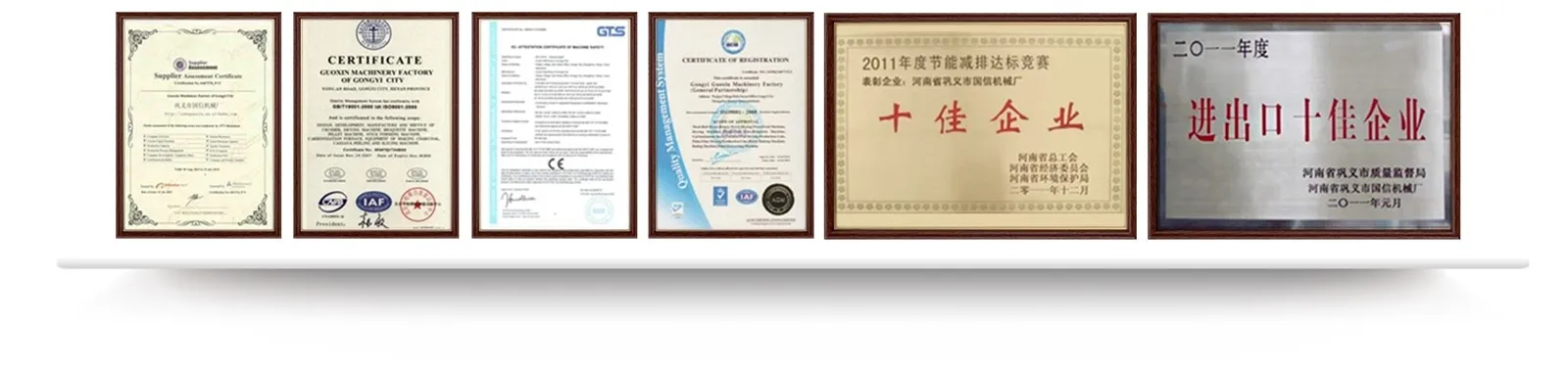
Our Certificate
Customer Visit


FAQS
Q: About your company?
Q: Where is your company located?
Q: Are you a manufacturing company or a trading company?
Q: Quotation What quotation do you provide?
Q: Why customers choose you?
Q: How can we get samples?
If you have any questions ,pls contact us immediately!
Q: How Long Is Your Lead Time?
Q: What is your packaging like?
We can design it according to your requirements.
Q: What is your service time?
Q: How to contact you?
Phone: +8615372360272
Email: 3042919920@qq.com
Q: What makes a dehydrator good?
Q: What size food dehydrator do I need?
Q: Is a square or round dehydrator better?
Q: Should I vent my dehydrator?
Q: Do you spray the trays in a dehydrator?
Q: Are food dehydrators worth it?
Q: Do you leave the lid open or closed on a dehydrator?
Q: What do you put at the bottom of a dehydrator?
Q: Do food dehydrators use a lot of electricity?
Q: Can bacteria grow in a dehydrator?
We're well-known as one of the leading air dehydrator manufacturers and suppliers in China. Please feel free to buy durable air dehydrator made in China here from our factory. Good service and quality products are available.
, Vegetable Air Drying Machine