



Powder Machine
Why choose us?
Your Leading Powder Machine Supplier
Rich Experience
It specializes in the drying equipment industry for 14 years. lt has accumulated rich experience in drying technology in the fields of industry, pharmacy and medicine, and enjoys good reputation in the international market. received widely praise from users.
Advanced Equipment
We have modern workshops, 13 fully automatic CNC machine tools, 5 large automatic cutting equipment, 1 fully automatic bending machine, dozens of electrical welding equipment and 5 outsourced cooperation processing centers.
Quality Control
With the purpose of always providing better quality and service, we keep a close eye on the market trend and customer's demands and improve our manufacture techniques and service.
Production Market
With the support of dedicated employees and application of over 100 advanced machines, we have built a good reputation in the industry and successfully exported our high efficient dryers to more than 90 countries and regions, including Russia, central Asia, Brazil, the United States, Europe, Middle East and so forth.
-
![The Rice De-huller]() The Rice De-hullerRice is a staple food in many African households and is consumed daily. However, the process of shelling and milling rice can be time-consuming and strenuous. This is where the rice de-huller...read more
The Rice De-hullerRice is a staple food in many African households and is consumed daily. However, the process of shelling and milling rice can be time-consuming and strenuous. This is where the rice de-huller...read more -
![An Integrated Equipment For Optimizing Rice And Wheat Processing]() An Integrated Equipment For Optimizing Rice And Wheat Pro...Rice Huller and Flour Mill: An Integrated Equipment for Optimizing Rice and Wheat Processing The fast-paced world we live in demands a more efficient way of doing things - from daily routines to...read more
An Integrated Equipment For Optimizing Rice And Wheat Pro...Rice Huller and Flour Mill: An Integrated Equipment for Optimizing Rice and Wheat Processing The fast-paced world we live in demands a more efficient way of doing things - from daily routines to...read more -
![Ginger Powder Processing Machine]() Ginger Powder Processing MachinePowder machines have become increasingly popular in recent years due to their numerous benefits in a wide range of industries.read more
Ginger Powder Processing MachinePowder machines have become increasingly popular in recent years due to their numerous benefits in a wide range of industries.read more -
![Industrial Powder Mixing Machine]() Industrial Powder Mixing MachineOne of the main advantages of powder machines is their ease of use. These machines are designed to be user-friendly, with clear and simple controls that make it easy to operate.read more
Industrial Powder Mixing MachineOne of the main advantages of powder machines is their ease of use. These machines are designed to be user-friendly, with clear and simple controls that make it easy to operate.read more -
![High Efficiency Herb Grinding Mill]() High Efficiency Herb Grinding MillAnother major benefit of powder machines is their safety. When grinding materials manually, there is always the risk of injury due to flying debris or accidental contact with moving parts.read more
High Efficiency Herb Grinding MillAnother major benefit of powder machines is their safety. When grinding materials manually, there is always the risk of injury due to flying debris or accidental contact with moving parts.read more -
![Stainless Steel Spice Pulverizer]() Stainless Steel Spice PulverizerPowder machines are also environmentally friendly. Unlike traditional grinding methods, which can produce dust and other pollutants that can harm the environment and pose a health risk to workers,...read more
Stainless Steel Spice PulverizerPowder machines are also environmentally friendly. Unlike traditional grinding methods, which can produce dust and other pollutants that can harm the environment and pose a health risk to workers,...read more -
![Commercial Food Processing Powder Machine]() Commercial Food Processing Powder MachinePowder machines are easy to clean and maintain. Many models are designed with self-cleaning mechanisms that remove any residue or buildup from the grinding chamber, making it easy to keep the...read more
Commercial Food Processing Powder MachinePowder machines are easy to clean and maintain. Many models are designed with self-cleaning mechanisms that remove any residue or buildup from the grinding chamber, making it easy to keep the...read more -
![Automatic Pharmaceutical Powder Mixer]() Automatic Pharmaceutical Powder MixerThe powder machine is a highly durable, stainless steel machine that boasts a large capacity and incredible efficiency.read more
Automatic Pharmaceutical Powder MixerThe powder machine is a highly durable, stainless steel machine that boasts a large capacity and incredible efficiency.read more -
![Heavy Duty Chemical Powder Blender]() Heavy Duty Chemical Powder BlenderThe versatility of powder machines means that they can be used in a wide range of industries and applications.read more
Heavy Duty Chemical Powder BlenderThe versatility of powder machines means that they can be used in a wide range of industries and applications.read more


what is Powder Machine
A "powder machine" refers to a mechanical device designed to grind or pulverize solid materials into a fine powder, typically used in industrial settings to process raw materials into powdered form for further applications in various industries like food, pharmaceuticals, chemicals, and cosmetics; essentially, it is a grinder or milling machine specifically for creating powders.
Advantages of Powder Machine
Consistent Blending
Ensures a uniform mixture of powders, crucial for maintaining product quality and efficacy in industries like pharmaceuticals.
Reduced Waste
Minimizes material loss due to spillage or uneven mixing, leading to better material utilization.
High Productivity
Enables rapid processing of large quantities of powder, significantly increasing production speed.
Scalability
Available in various sizes to adapt to different production volumes and needs.
Precision Dosing
Precisely dispenses desired quantities of powder, minimizing errors and ensuring consistency.
Flexibility
Can handle a variety of powder types and packaging sizes with minimal adjustments.
Labor Efficiency
Reduces manual labor required for mixing and filling, leading to cost savings.
Improved Safety
Minimizes the risk of contamination and potential hazards associated with manual powder handling.
What are the main types of Powder Machine
The main types of powder machines include auger fillers, volumetric fillers, gravity-fed fillers, and powder packing machines.

Auger fillers
A rotating screw measures and dispenses powder
A popular choice for filling fine powders
Can handle both free-flowing and less-free-flowing powders
Can fill bottles and pouches
A common choice for powder filling
Volumetric fillers
Use volume-based measurement to dispense powder into containers
The most accurate type of powder filling machine
Typically used for products that require precise measurements, such as medications
Application of Powder Machine
Applications in the Pharmaceutical Industry
The pharmaceutical industry often deals with powders that require exact dosages, such as antibiotics, vitamins, and powdered drugs. The precision of auger powder filling machines ensures that the correct amount of powder is dispensed into each container, meeting strict industry standards.
01
Applications in the Food Industry
In the food industry, auger filling machines are extensively used to fill powdered ingredients like flour, spices, and baking mixes. The ability of auger powder filler machines to handle different types of powders-from fine to granular-makes them ideal for food packaging applications.
02
Packaging of Protein Powders and Nutritional Supplements
With the growing demand for health supplements, auger powder filling machines are often used to package protein powders, nutritional supplements, and other powdered dietary products. These machines provide the accuracy needed to fill containers with precise amounts of these often expensive products, preventing overfill or underfill.
03
Applications in the Chemical Industry
The chemical industry deals with a wide range of powdered materials, including chemicals used for manufacturing, agriculture, and cleaning products. Auger powder filling machines are capable of handling even the most challenging powders, such as those with clumping tendencies or varied particle sizes.
04
Applications in the Cosmetics Industry
Cosmetic products such as foundation powders, blushes, and dry shampoos often require precise filling in small containers. Auger filling machines provide the accuracy needed to fill these fine powders without spillage or contamination.
05
Maintenance Tips for Powder Machine

Regular Cleaning
Cleanliness is crucial for maintaining a Powder Filling Machine.
Steps:
Clean hoppers, nozzles, and augers after each use.
Remove powder residue to prevent clogs.
Use soft brushes and approved cleaning agents.
Benefits:
Ensures hygienic operations.
Prevents contamination of products.

Inspect Components Frequently
Regular inspections identify potential issues early.
Focus Areas:
Auger Screw: Check for wear and damage.
Nozzles: Inspect for blockages.
Conveyors: Ensure belts are aligned and functioning.
Benefits:
Reduces the risk of breakdowns.
Extends the life of critical parts.

Lubricate Moving Parts
Proper lubrication minimizes wear and tear.
Tips:
Use food-grade lubricants if applicable.
Lubricate gears, bearings, and other moving components.
Follow the manufacturer’s guidelines for frequency.
Benefits:
Reduces friction and overheating.
Ensures smooth operation.

Calibrate Regularly
Calibration is essential for accurate filling.
Steps:
Test the machine before each production run.
Adjust settings based on powder type and weight.
Use calibration weights for precise adjustments.
Benefits:
Maintains consistent filling volumes.
Reduces product wastage.

Replace Worn Parts Promptly
Delaying repairs can cause more damage.
Tips:
Keep a stock of spare parts like augers and nozzles.
Replace worn seals and gaskets to maintain airtight systems.
Monitor sensor performance in Automatic Filling Machines.
Benefits:
Prevents major failures.
Keeps production running smoothly.

Monitor Electrical Components
Electrical issues can disrupt machine operations.
Focus Areas:
Check the control panel for loose connections.
Inspect wiring for signs of wear or damage.
Ensure sensors and displays work correctly.
Benefits:
Avoids sudden power failures.
Ensures safety during operation.
Our factory


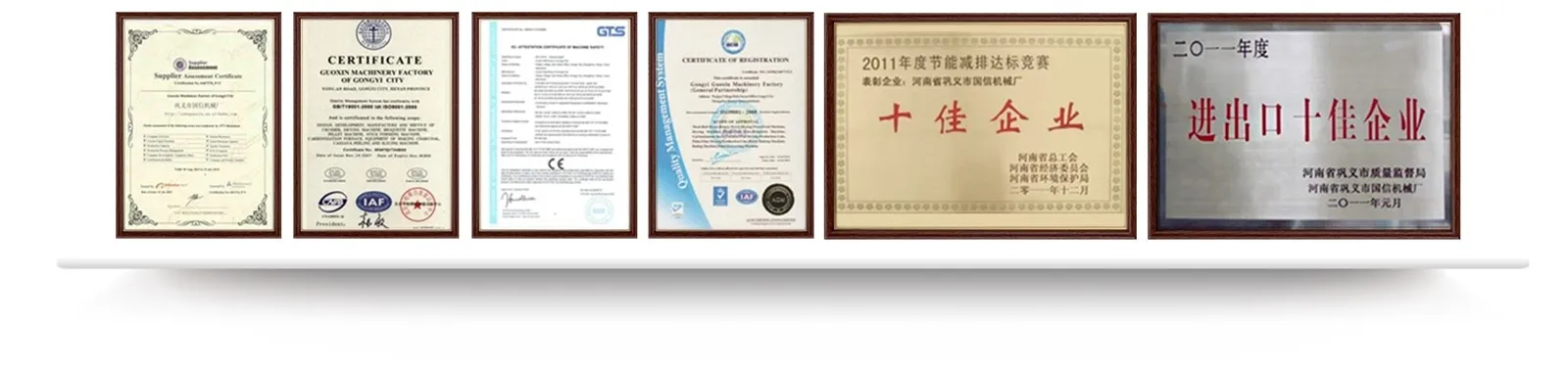
Our Certificate
Products Description


FAQS
Q: Is there anything different in the pretreatment/wash system for powder coatings vs. liquid paints?
A: Powder coatings can provide improved performance over liquids when applied to a properly pretreated part. Solvent-borne paints are usually more forgiving of organic soils left on the work piece by sub-par cleaning. Because powder does not have solvents, you need to make sure the washer does a good cleaning job. This is just good operational practice and is not an unusual requirement. Iron phosphate is the most frequently encountered pretreatment used with powder coatings. However, if the highest level of performance is required, zinc phosphate will work admirably with powder as well.
Q: What is the best cleaner for powder coating?
A: There is no stock answer for this question. Many factors go into deciding which cleaner is the best for your application. Base metal of the work piece, soil being removed, bath temperature, contact time, oil removal capabilities, environmental considerations, etc. must be taken into account when deciding. The bottom line is that you need to get your parts clean, safely, so the steps following in the pretreatment process will function properly. Check with your pretreatment supplier to determine your best course of action.
Q: What different technologies are available for cleaners?
A: There are powdered and liquid cleaners. There are acid cleaners that may be best for inorganic (metallic) soils. Alkaline cleaners are often recommended for organic soils. Neutral cleaners may be used to remove soils on substrates that react with strong acids or alkalis (aluminum or zinc). Oil splitting cleaners may be desirable where high levels of oil build quickly in the process bath. Work with your pretreatment supplier to determine which cleaners are best for your application.
Q: Why does the powder drift out of the openings of the spray booth?
A: Possible Causes:
Not enough containment air flowing through the booth and recovery system.
Cartridge filters not receiving adequate cleaning. Increase pulse down air pressure or volume.
Cartridge filters nearing the end of their expected life.
Final filters becoming clogged. Note that final filter clogging may be related to poor upstream seals or leakage of powder in the recovery.
Q: What is impact fusion?
A: Friction may cause powder particles to fuse along the walls of the powder hose and other components in the powder delivery path. Impact fusion is the combining of these powder particles to form a solid mass during the delivery and application process.
Q: Is powder hazardous waste?
A: Practically all powder coatings are not hazardous waste by definition of the Resources Conservation and Recovery Act regulations (RCRA). Disposal methods for waste powder are the same as for non-hazardous wastes, in most states. However, there may be some exceptions and your powder supplier should be contacted regarding proper disposal. Always renew disposal needs with the local authority having jurisdiction over your facility location.
Q: What is the best way to store my powder? How long can powder be stored?
A: Powder storage for many months is often normal practice. Ideally, powder should be stored in the optimum conditions of less than 80°F and approximately 50 - 60% relative humidity. Under these conditions most powder should be readily usable for at least a year. Avoid placing powder inventory in close proximity to any heat source such as an oven, washer, furnace, space heater, etc. Powder packaging is designed to protect the contents from compression that can result in lumps that are not readily broken. Do not stack packages that are broken or collapsed.
Q: How do you know if powder is cured?
A: There are two conditions that must be met to achieve proper cure of a powder coating. The first is temperature, referred to as metal temperature, and the second is time. The time/temperature requirements of a particular powder material must be achieved to obtain a full cure. A cured thermoset powder coating will not re-melt upon further heating. To ensure proper time and temperature it is often best to test using a Datapaq or similar device to provide actual performance data.
Q: Does particle size make a difference in powder coating?
A: Particle size plays an important role in the application process. Size distribution affects many other properties critical to consistent performance including: fluidization, powder transport in hoses, uniform cloud density, powder movement in air, electrostatic charging, deposition and build rate, transfer efficiency, Faraday cage penetration, wraparound, and film smoothness. Size distribution produced by the powder manufacturer must take the coating system design and anticipated changes into account to provide a suitable product. Final cured surface appearance may also be affected by the particle size distribution and flow rate.
We're well-known as one of the leading powder machine manufacturers and suppliers in China. Please feel free to buy durable powder machine made in China here from our factory. Good service and quality products are available.
Powder Machine, Ginger Powder Processing Machine