



How to Maintain Optimal Cooling in Food Dehydrators for Faster Drying?
Precise temperature control is essential for the performance of food dehydrators, enabling moisture removal without compromising nutrients and flavor. A balance must be struck between heat and airflow-otherwise, moisture can become trapped inside or fail to evaporate due to excessive heat.
At certain stages, accurate temperature control can actually speed up dehydration in the best food dehydrators. While heating is important, focusing solely on heat can lead to uneven internal temperatures. Uneven heating means longer drying times. Understanding this interaction ensures that your industrial-grade food dehydrator operates at peak efficiency.
The Role of Temperature in Dehydration
Temperature plays a critical role in food dehydration by heating the product and promoting moisture evaporation through controlled heating. Most products are dehydrated between 15°C and 80°C, depending on the food type. For instance, enzymes in fruits remain active below 57°C, making this range suitable for raw food preservation.
Heat accelerates the movement of moisture to the food's surface, while consistent airflow ensures its evaporation. However, excessive heat-above 80°C-can denature nutrients, caramelize sugars, or trap moisture under a hardened surface layer (known as case hardening). That's why the best food dehydrators offer precise temperature control and maintain constant airflow to preserve texture, color, and flavor integrity.
Why Keeping Your Dehydrator Cool Matters
Benefits of Low-Temperature Control
- Preserves sensitive nutrients, including Vitamins A and C
- Maintains enzymes in raw foods for raw food diets
- Ensures even drying and uniform moisture content
- Reduces the risk of cooking instead of dehydrating
- Better retention of natural flavors in fruits and herbs
- Longer shelf life due to stable and thorough drying
- Minimized shrinkage or hardening of foods
- Prevents case hardening by avoiding rapid surface drying
- Greater control over the final texture of dehydrated items
- Ideal for delicate herbs and flowers requiring gentle drying
Signs Your Dehydrator May Be Overheating
- Food becomes brittle or scorched
- Uneven drying-some parts overdried, others still moist
- Visible discoloration or darkening
- Cooked odor instead of a dried-food aroma
- Tough or overly hard texture in dehydrated items
- Excessive heat radiating from the unit
- Condensation forming inside the dehydrator
- Cracking or splitting in sensitive foods
- Drying time is unusually fast compared to standard settings
- Unusual noise from fans or internal components
Built-in Features in Our Dehydrators for Optimal Cooling
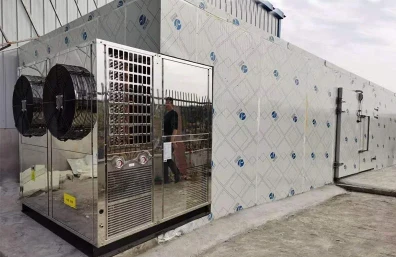
We integrate heat pump technology into our food dehydrators to enhance cooling efficiency. Our system uses a closed-loop heat exchange mechanism to manage temperature, transferring heat from the drying chamber to the external environment. This maintains a consistent operating temperature, ensuring stable dehydration performance.
Additionally, our machines are equipped with high-efficiency compressors and variable-speed fans that adjust airflow based on real-time temperature readings. This active regulation prevents overheating and can reduce energy consumption by up to 75% compared to conventional drying methods.
The eco-friendly refrigerants used in our heat pumps also align with global sustainability standards, helping to lower the carbon footprint of your operations. With precise temperature control, our food dehydrators preserve product quality and nutritional value-meeting the strict demands of the food processing industry.
Additional Tips to Keep Your Food Dehydrator Cool
Proper Placement and Ventilation
For optimal performance, the best food dehydrators should be installed in well-ventilated facilities. Enclosed spaces or areas with restricted airflow can cause heat buildup, leading to overworking and potential wear. Ensure sufficient clearance around the unit for ventilation, and avoid high-temperature zones. Even a slight elevation of the dehydrator can significantly improve under-unit airflow, aiding heat dissipation and drying consistency.
Adjust Machine Settings
Slightly reducing temperature settings can alleviate thermal stress without compromising drying efficiency-herbs, fruits, and vegetables can still dry thoroughly at lower temperatures. For high-moisture products, consider using intermittent drying cycles to help regulate internal temperatures. Always keep total drying time within USDA-recommended limits to prevent bacterial growth.
Pre-Cooling Food Items
Chilling produce before dehydration-especially dense items like thick vegetable slices or fruits-reduces the initial thermal load on the dehydrator. This not only saves energy but also slows bacterial growth prior to drying, enhancing food safety. For example, pre-cooled apple slices can help lower the machine's internal temperature during the initial hours of operation-particularly useful in warm or summer climates.
Regular Maintenance and Cleaning
To keep your food dehydrator running cool and efficiently, perform regular maintenance. Blocked vents or dusty fan blades can stagnate airflow and trap heat. Clean intake and exhaust vents monthly, and inspect fan motors for wear. Even a 10% reduction in fan speed can raise internal temperatures and impact drying consistency. Proper care extends machine lifespan and ensures reliable performance for years.
Achieve Faster, Cooler, and Higher-Quality Drying
Maximizing dehydrator performance isn't just about temperature-it's about smart design, proper usage, and advanced technology. Whether you're drying fruits, vegetables, herbs, or specialty raw foods, the right cooling strategies can enhance speed, preserve quality, and reduce operating costs.
Looking for a food dehydrator that combines precision temperature control, energy efficiency, and reliable cooling? Our heat pump-based dehydrators are engineered for industrial users who value product quality and operational sustainability.
Contact us today to learn more or request a customized drying solution for your business.